Weekend eSports Rankings: Best Competitive Games of 2026 Revealed
The $1 million XSE Pro League Guangzhou 2026 is rounding into form — 16 teams, $500K allocated to players and $500K to clubs, and no crypto branding on the rigs. On the server, the field has already started separating.
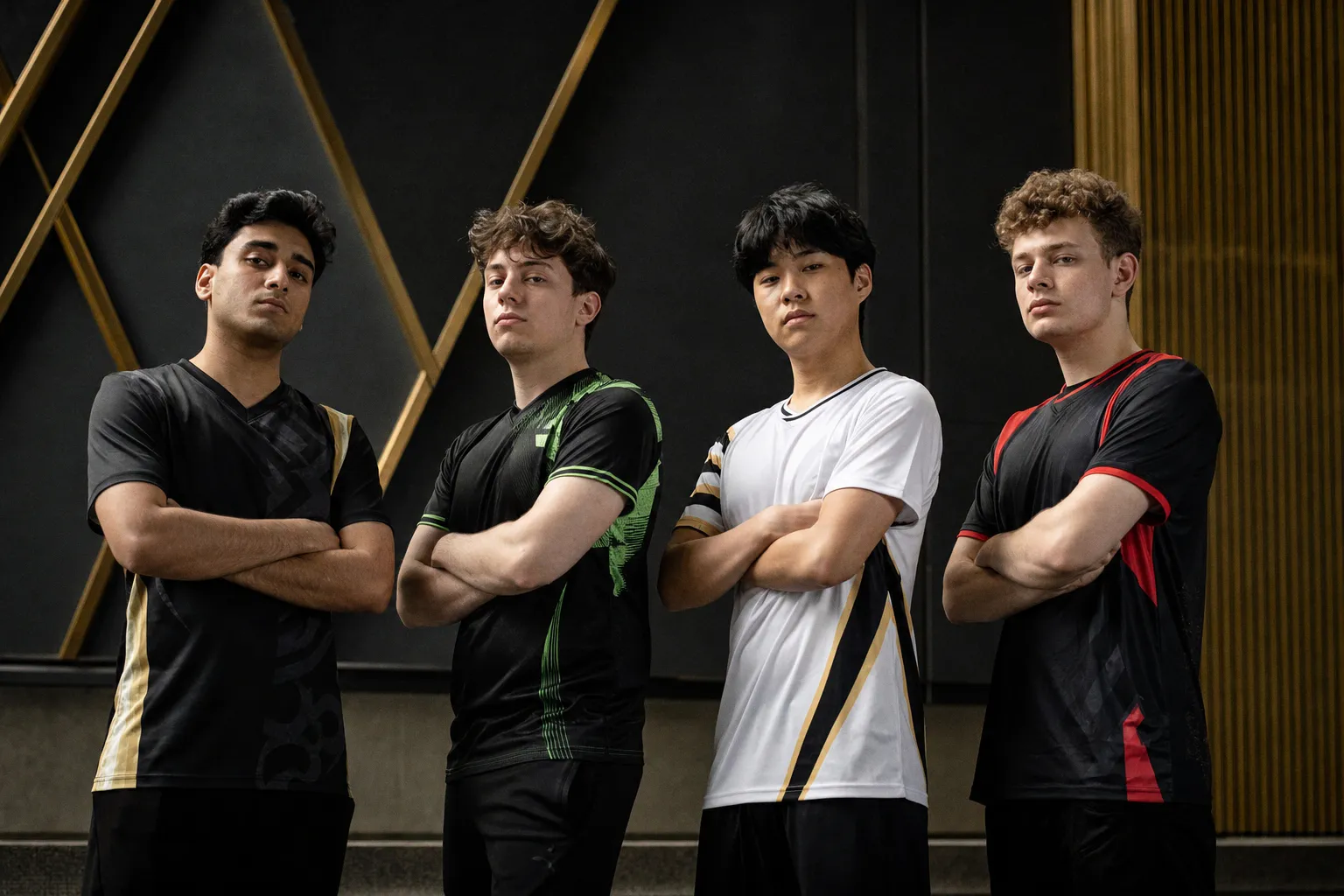
The winner advances; the loser goes home. 9z took the series, slotting into a playoff bracket that already includes FaZe and NIP. Championship play runs July 9 through July 12 at the LAN organized by Xinsai Esports. First place collects $200K plus a share from the club pool. Reports of malware found on player PCs and blackout-related delays have marked the run-up, but the bracket picture is settling, and the stakes are climbing.
The Competitive Field Holding Shape
Across the broader scene, Analytics Insight's weekend rundown of the top competitive games of 2026 names a familiar six: Counter-Strike, League of Legends, Valorant, Dota 2, Rocket League, and Rainbow Six Siege. The connecting thread across every title: one round can decide a series, and the pressure only amplifies it.
Counter-Strike remains the round-economy war where a single pick flips a half. Valorant layers hero utility onto aim-first gunplay without breaking the core loop. League of Legends keeps producing the largest community-supported matchups on the calendar, with every game capable of producing a moment for the highlight reel. Dota 2 stays the high-variance test of late-game decision-making, where a gold deficit can vanish in one decisive engagement. Rocket League compresses its ceiling into a format newcomers can read in minutes and veterans never fully master. Rainbow Six Siege punishes hesitation at every chokepoint, rewarding teams that plan two steps ahead. Six different expressions of skill, same hunger.
The Sponsorship Landscape and Broadcast Scale
The Guangzhou event's crypto-free footprint marks a shift from the 2021–2022 era when exchanges like FTX and Crypto.com were splashed across jerseys, stage graphics, and tournament naming rights. FTX's collapse and the broader crypto winter cleared those marketing budgets out. Esports organizations — many already operating on thin margins — found themselves rebuilding sponsor pipelines after partners either went bankrupt or failed to deliver on commitments. Tournament operators and teams both reported getting burned.
On the production side, the investments keep getting heavier. Insight Productions has launched Insight Storm, a 53-foot dedicated esports broadcast truck — another data point that competitive scenes are consolidating into permanent broadcast infrastructure rather than one-off setups. When the Guangzhou bracket concludes on July 12, it will offer one of the clearest windows yet into what that scale looks like under stage lights.